
Alleged By the Plaintiff
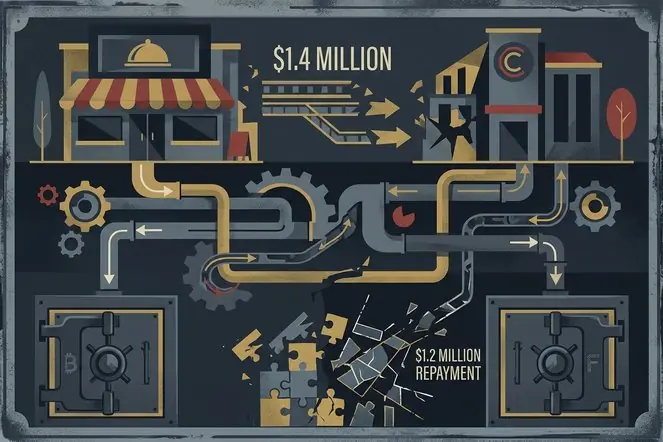
A contractor allegedly tricked borrowers into paying off a loan, then siphoned nearly half a million dollars into his own accounts. Now the company wants its money back.
Pick a side - Results show after voting
No comments yet. What do you make of this case?
Updates · 22
Notices of Taking Depositions
Scheduled for 11/11/2026Scheduled: Nov 11, 2026The parties scheduled depositions, which are out-of-court sessions where witnesses answer questions under oath before trial. One is specifically for a person named Junior Cabrera.
Objection to Computer Inspection
Scheduled for 11/6/2026Scheduled: Nov 6, 2026A party formally objected to the other side's request to inspect a computer, meaning they don't think the computer should be searched.
Motion for Sanctions Filed
Scheduled for 10/30/2026Scheduled: Oct 30, 2026One side is asking the judge to punish the other side, usually because they broke a rule or did something unfair.
Court Hearing Scheduled
Scheduled for 11/17/2026Scheduled: Nov 17, 2026The court set a date for a hearing in the case. The notice mentions November 17, 2026, which is likely when everyone needs to come to court.
New Defendants Ask to Be Dismissed
Defendants ARCPE Bahamas LLC and ARCPE 1 LLC asked the judge to dismiss the claims against them. If granted, they would be out of the case.
Trial Date Changed Again
The court reset the trial and final hearing to a later date. People following the case should note the new timeline.
Answer and Counterclaim Filed
A defendant officially answered the amended complaint and also filed its own counterclaim (a claim back against the plaintiff). This can expand what the case is about.
Next Hearing Set for November 24, 2026
Scheduled for 11/24/2026Scheduled: Nov 24, 2026The court scheduled the next case management conference and hearing for November 24, 2026 at 11:30 AM. This is the next key date to watch.
Motion to Dismiss Dropped; Judge Denies It
One side withdrew its motion to dismiss (they took the request back), and for another such motion the judge said no, denying it. This keeps the case going.
Request to Push Trial Back 60 Days
A party asked the judge to move the trial date later by about two months so there is more time to prepare.
Special Evidentiary Hearing Held
Scheduled for 9/9/2026Scheduled: Sep 9, 2026The judge held a special in-person hearing to look at evidence and manage the case. The court required all trial lawyers to show up in the courtroom.
Lawyer Allowed to Quit the Case
An attorney asked to withdraw (stop representing a client) from the case. The other side responded and the judge signed an order letting that lawyer out. This matters because it can change who represents whom and affect timing.
Motion for Summary Judgment Filed
A party asked the judge to decide the case without a full trial, arguing the facts are clear enough. If granted, this could end part of the case.
Trial Date Changed
The court reset the trial and final hearing to a new date. This is important because it changes when the big events will happen.
Emergency Request to Delay Case Is Granted
Someone asked the court at the last minute to push back a deadline, gave reasons under oath, and the judge approved a continuance (a delay).
Trial Scheduled With Mediation
The judge set a non-jury trial date and ordered the parties to try mediation (a settlement meeting with a neutral person) before trial.
Court Sets Case Management Deadline
The judge issued an order setting a deadline for a case management step so the case keeps moving forward.
Amended Complaint Filed
The plaintiff filed an updated version of the complaint that replaces or adds to the original one. This is an important document because it shows what the case is now about.
Judges Step Down and Case Moves to New Section
One judge recused (stepped away) from the case and it got assigned to a new judge and section. This can matter because a new judge may view things differently.
Defendants Ask Court to Dismiss or Pause Case
The defendants filed a motion asking the judge to throw the case out, or at least put it on hold for a while.
Original Complaint Filed
The lawsuit started when the plaintiff filed the original complaint. This is the document that lists the claims against the defendants.
 Explain








Comments