Alleged in the plaintiff’s complaint:
A founding partner in Flo Rida's career claims he was cut out of profits and kept in the dark about millions. He's suing for breach of contract, fiduciary duty, and interference.
Added

Alleged in the plaintiff’s complaint:
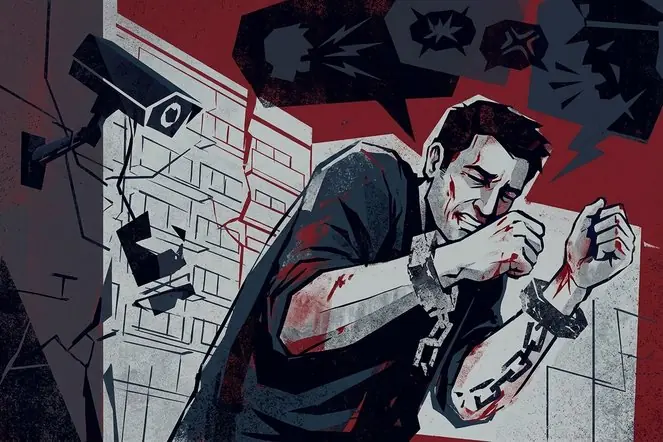
A condo owner tried to fix a dangling security camera and ended up handcuffed and bleeding. He claims security guards falsely told police he was a racist and a woman batterer.
Added
Next: Transfer calendar · Wed, Nov 18
Then: Hearing · Thu, Nov 19
Armando Labrador and Cantalo TV sued Alexander Otaola and his media companies for defamation, alleging false statements that he was a foreign spy, engaged in fraud, and smuggled YouTubers into the U.S.
No comments yet. What do you make of this case?
Updates · 35
After a conference about managing the case, the judge said no to a request. People following the case will want to know what was denied and what happens next.
The judge made an order about how depositions will be handled. This matters because it sets the ground rules for questioning witnesses and could affect what testimony comes out.
The judge said yes to a request by the media defendants that forces the plaintiffs to be questioned under oath (in depositions). This is important because it moves the case forward and could produce new facts.
The judge ruled on Ernesto Martin's request to change the case management order, which sets the schedule and deadlines for the case. This matters because it can shift the timeline.
Defendant Jose Jimenez, who is representing himself, asked for extra time to answer questions (discovery responses) from the other side.
A party asked the judge to cancel (set aside) the plaintiffs' November 10 dismissal, using a court rule that lets people ask to undo something for reasons like fraud or mistake. This could bring the dropped case back.
A party asked the judge to decide the case in their favor without a full trial, arguing there is no real disagreement about the important facts.
The people who filed the lawsuit chose to drop their case without prejudice, which means they could potentially bring it again later.
The judge granted a request to remove the part of the case asking for punitive damages (extra money meant to punish the other side).
The judge agreed to throw out the case as described in the updated complaint, called the Verified Second Amended Complaint. This is a major loss for the side that filed it.
A defendant named Yaciel Perez officially responded to the lawsuit and listed reasons (defenses) why they think they should not be held responsible.
A party wrote back saying they disagree with the other side's request to change (amend) their motion to strike parts of the answer filed on October 12, 2026.
A party asked the judge to throw out (strike) part of the other side's court papers because something is wrong with them.
The judge partly granted and partly denied the plaintiffs' request to declare the defendants in default for missing deadlines.
The plaintiffs voluntarily dropped some defendants from the lawsuit without prejudice, meaning they could potentially be brought back later.
The judge denied the request to transfer the case to the special section for big, complicated business lawsuits.
The plaintiffs filed a second updated version of their complaint, replacing the earlier ones with new or revised claims.
The judge granted permission for the plaintiffs to file a second, updated version of their complaint.
The court set a new jury trial date, with a calendar call in July 2027 and another mediation referral.
The judge said no to the request to remove the defendants' lawyers from the case. The defense team stays.
The judge granted a motion forcing witnesses to sit for depositions (sworn pretrial questioning).
The judge appointed Stuart Grossman as a special magistrate, an outside helper chosen to handle certain parts of the case.
The Third District Court of Appeal said no to the petition that had been filed.
The judge stopped the normal evidence-gathering (discovery) about the facts of the case until the court decides whether to remove the plaintiffs' lawyers.
The Third District Court of Appeal granted a motion related to the case.
The defendants filed an updated answer responding to the complaint and again requested a jury trial.
The judge refused to pause an order that lets lawyers be questioned under oath (deposed) while an appeal is pending.
The court set a date for a jury trial and referred the parties to mediation to try to settle first.
The defendants officially responded to the amended complaint and asked for a jury trial.
The judge partly granted the defendants' request to cancel certain subpoenas and for a protective order limiting what can be asked.
The judge gave the defendants 20 extra days to file their answer to the amended complaint.
The plaintiffs changed and updated their original complaint, officially filing an amended version with the court.
The plaintiffs officially started the lawsuit by filing the original complaint, which lays out their claims against the defendants.
Comments